The Project
In early 2026, the New York Times published an interactive article on their website that placed two pieces of text next to each other: one was written by AI and one was written by a human. Readers were to choose which passage they liked better without knowing which was which. At the time I interacted with it, the result was a fairly even split, with a slight preference toward AI.
Reading the samples they selected, it struck me these sentences were just that: a collection of sentences, plucked from some paragraph, devoid of context, assessed for technical skill rather than emotional value.
And so this project was born: what happens when AI and a human go toe-to-toe (toe-to-key? Toe-to-neural-net-branch?) in the realm of microfiction, equally short but structured to tell a story that means something, not just sound pretty on a page. Each post contains a prompt answered first by myself and then by AI and a subsequent analysis of what distinguishes the human word from the AI.
Values Statement
Before we dive into the rules, let’s make one thing clear: This blog is intended to showcase what makes human writing uniquely soulful. AI has been exploding onto the writing scene with unrelenting and unregulated force, and the idea for this blog became urgent for me upon seeing the number of young writers turning to AI rather than struggling through the early stages of being a “bad writer.” I feel intense heartbreak, not just for readers who deserve to have a human on the other end of what they read, but for the next generation of writers who may never find their voice. I’m here to showcase how technical skill does not translate into meaningfulness, and that meaningfulness can occur in the absence of technical skill. Your voice matters. Share it. Don’t amplify the machine’s.
The Rules
1. The prompt: the prompt is the same for the human and the AI. The AI has been instructed to ask no clarifying questions.
2. The constraints: the human got 15 minutes, the AI got 500 words
3. The safety mechanisms: I categorically do not feed human writing into AI. All AI content is generated on an enterprise version of Claude provided by the university I work for, which, by design, does not train on user interactions, i.e. the AI prompting for this project does not facilitate AI improving in its creative writing ability. Should this change, the project will cease.
About the Photographs
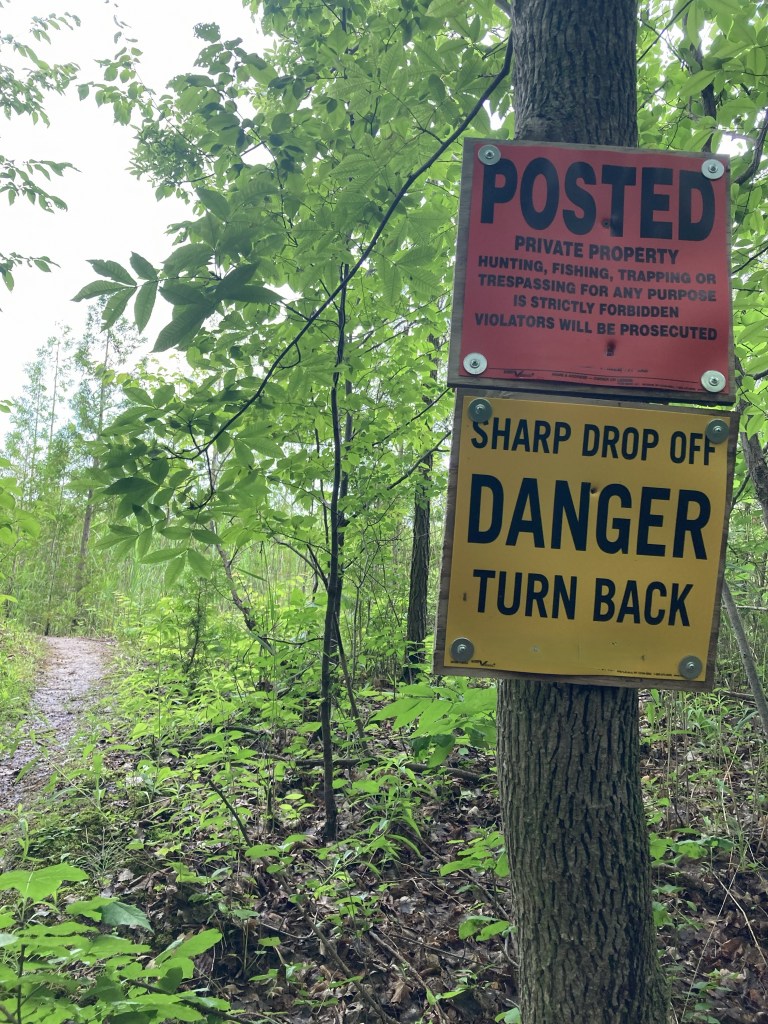
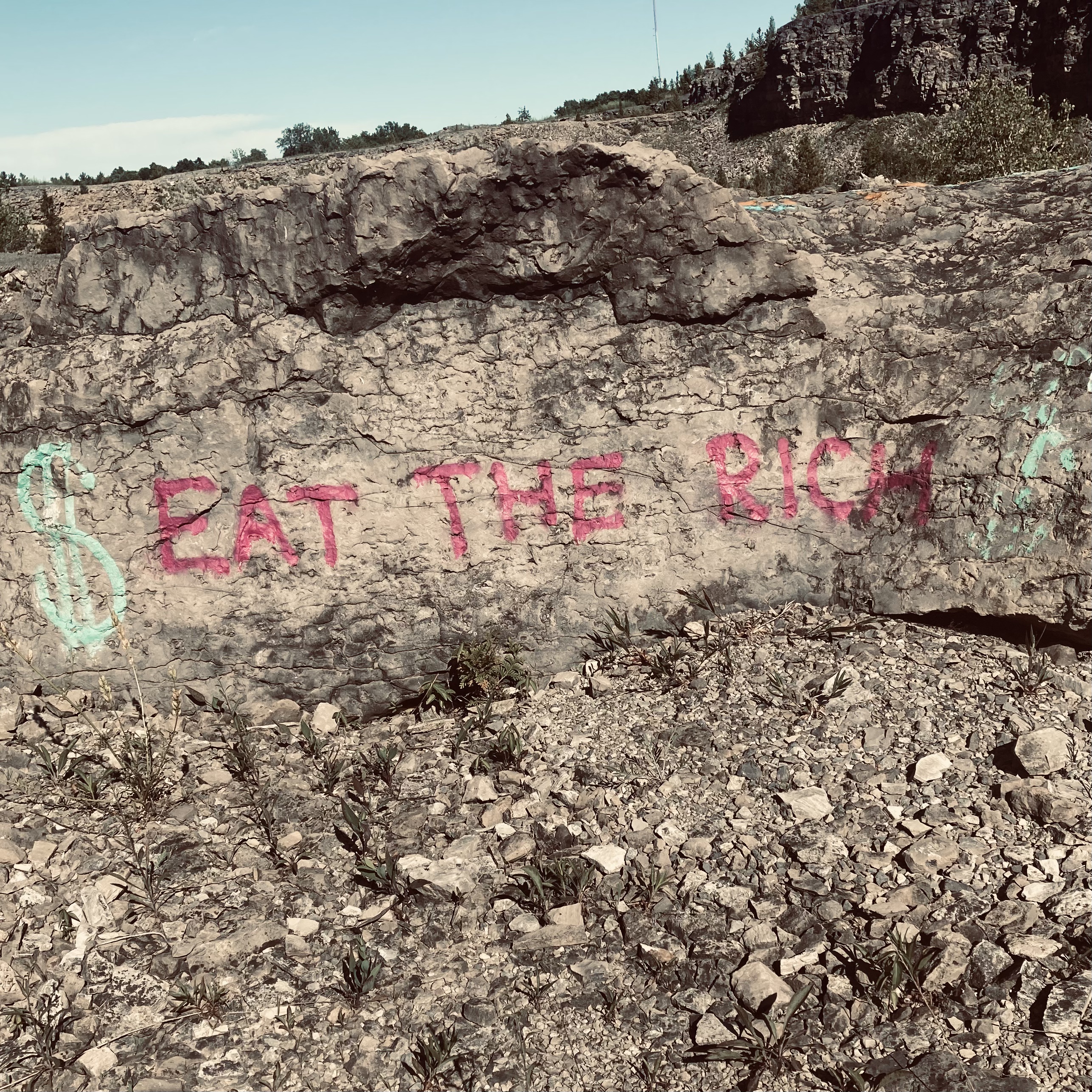
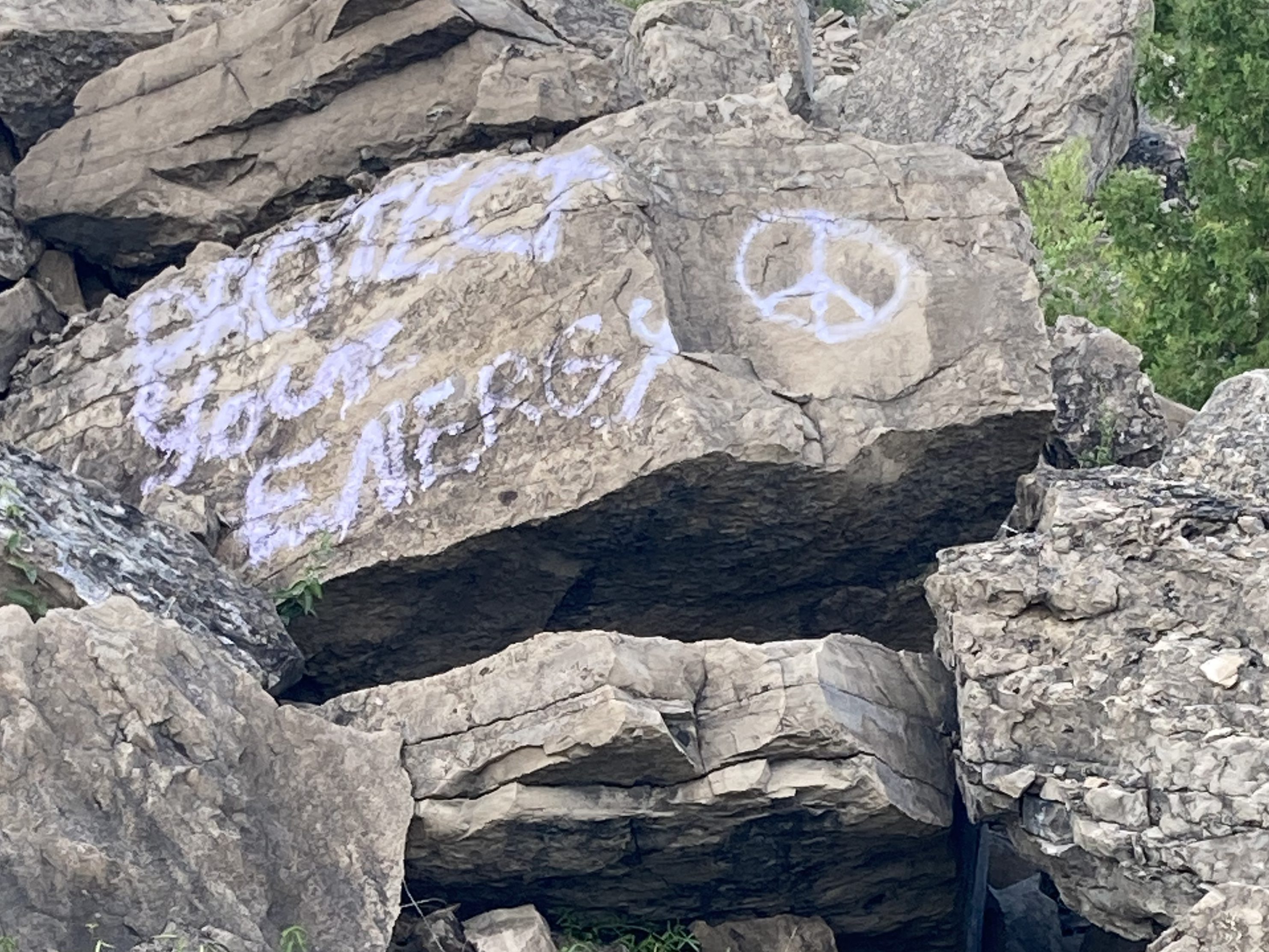
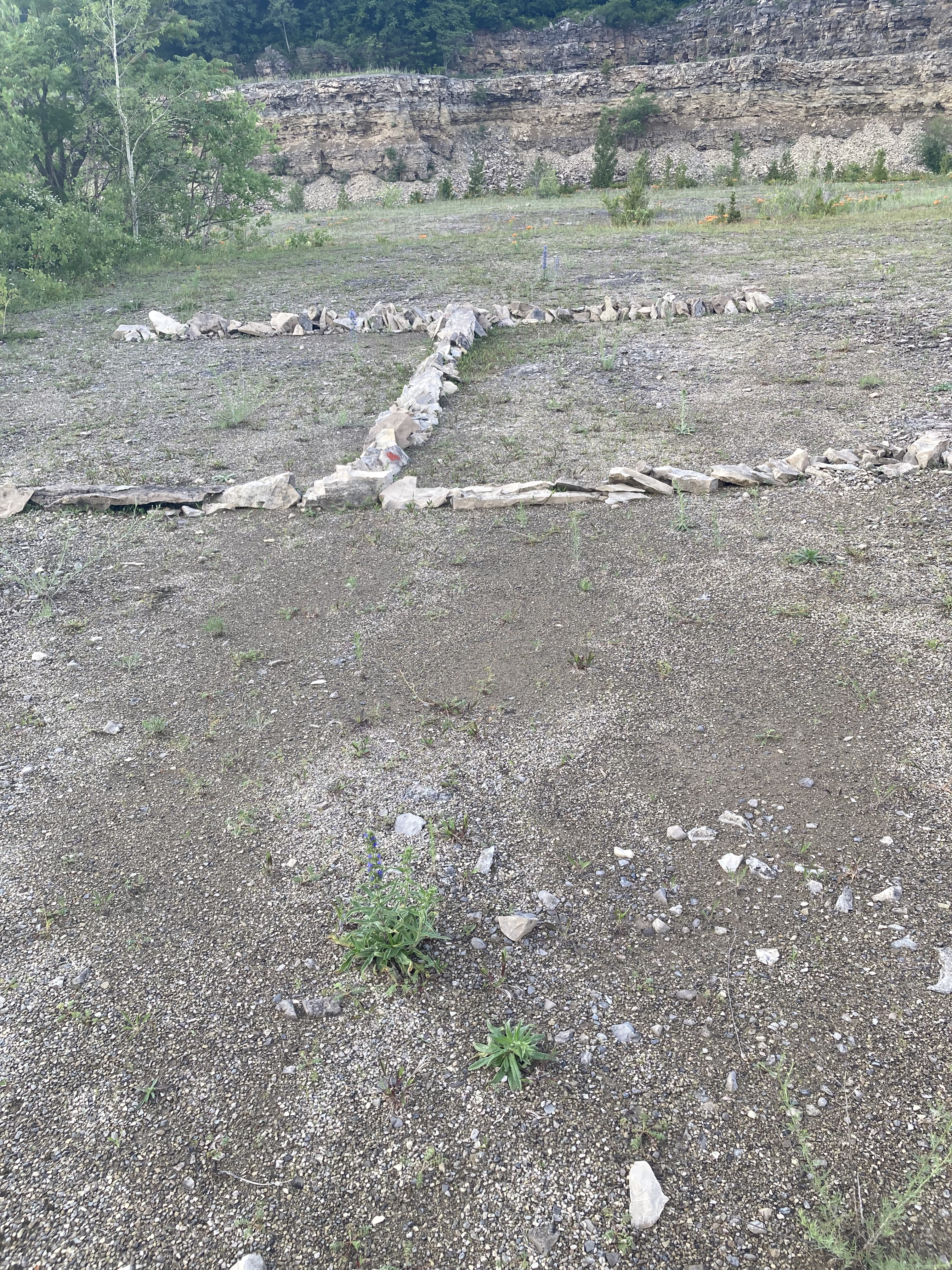
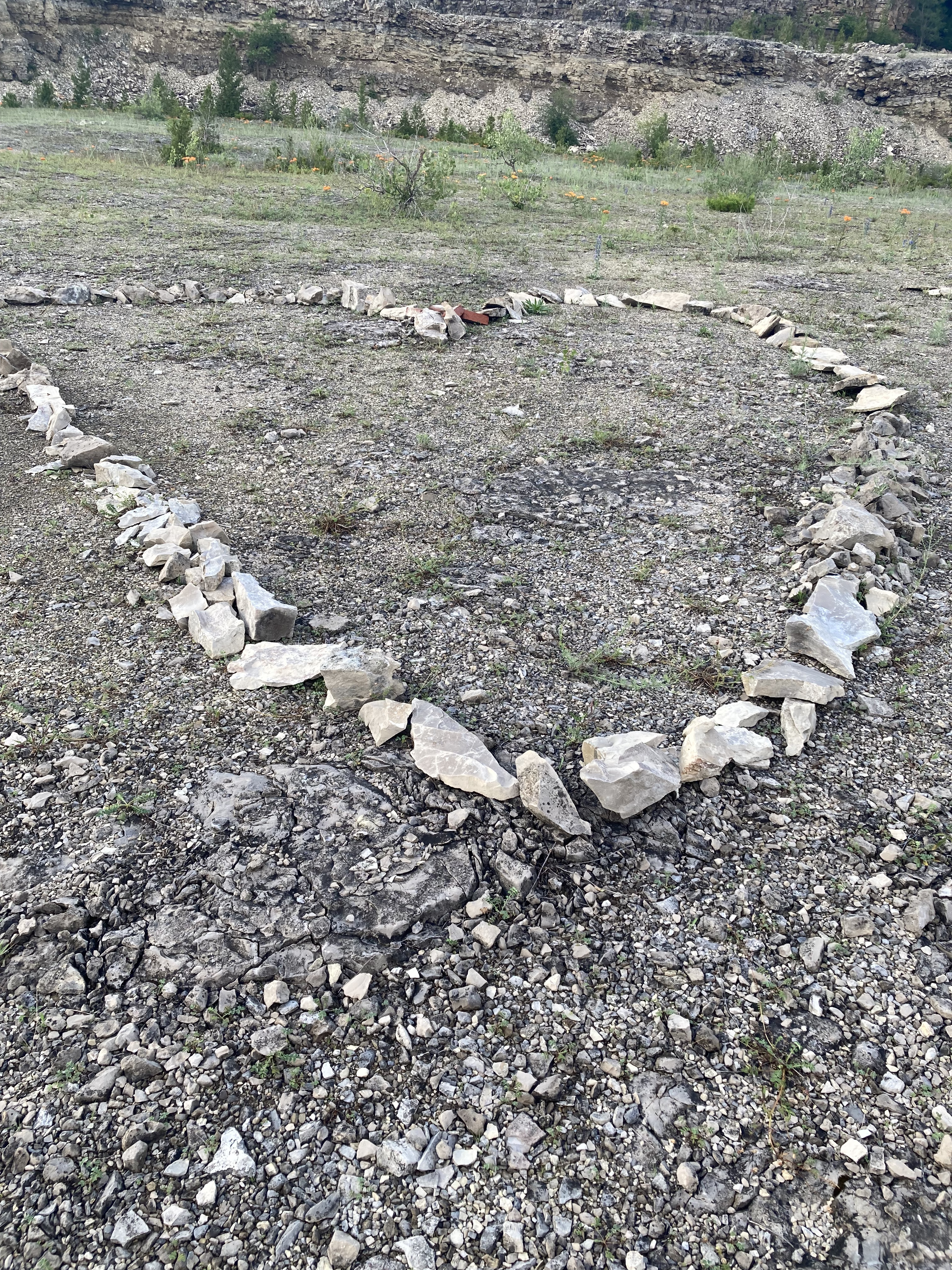
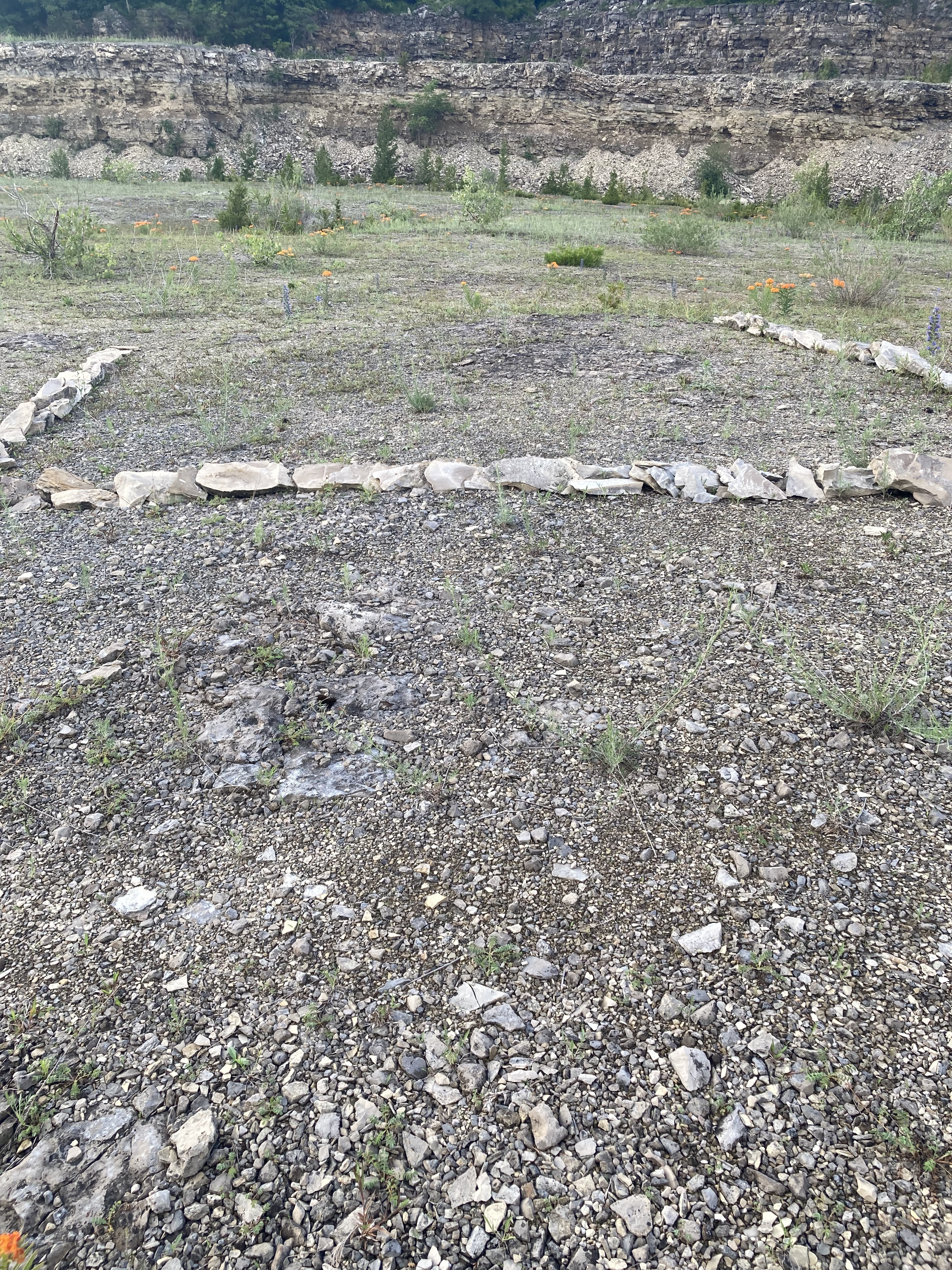
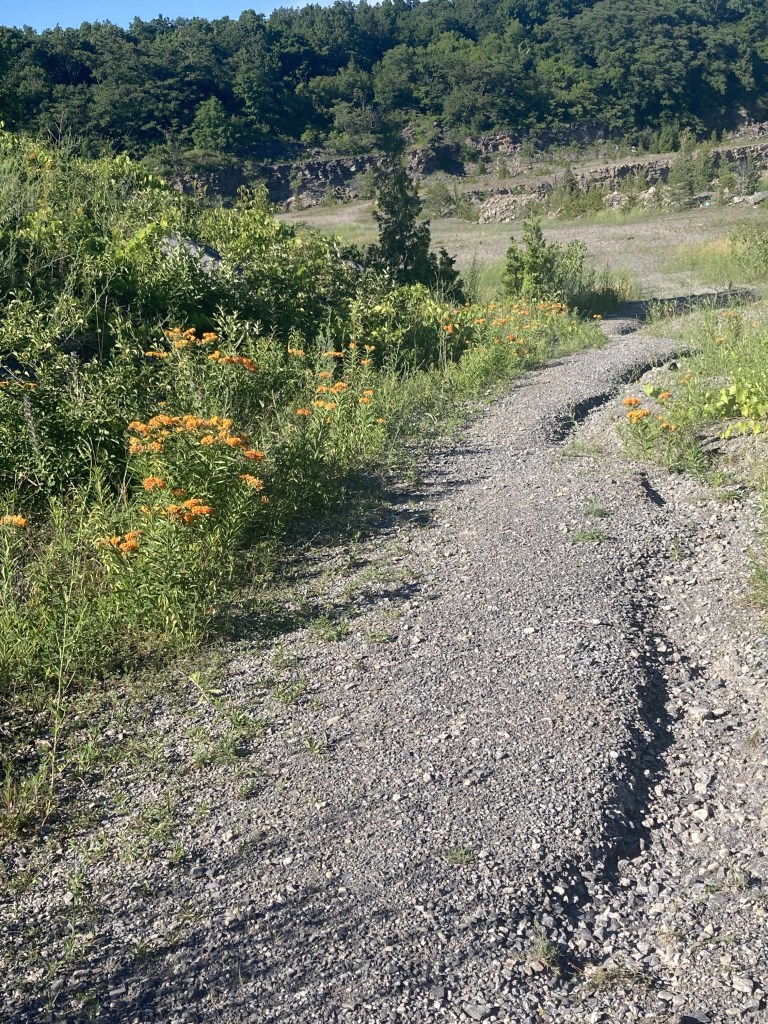
The photographs featured on this website are ones I’ve taken at the abandoned quarry near my home. When things feel bleak, I go to the walking and biking trails people have created here and marvel at how the plants and the birds have reclaimed this space and how humans will always find ways to shout at the world that we’re alive. I still hold out hope that, just as the rawness of nature and teenage angst have been steadily retaking what capitalist machines have done to the earth here, so, too, can we retake our creativity from this next wave of capitalist machines and continue to find new ways to shout at the world that we’re alive, look at us, we’re alive. I see you.
About the Author
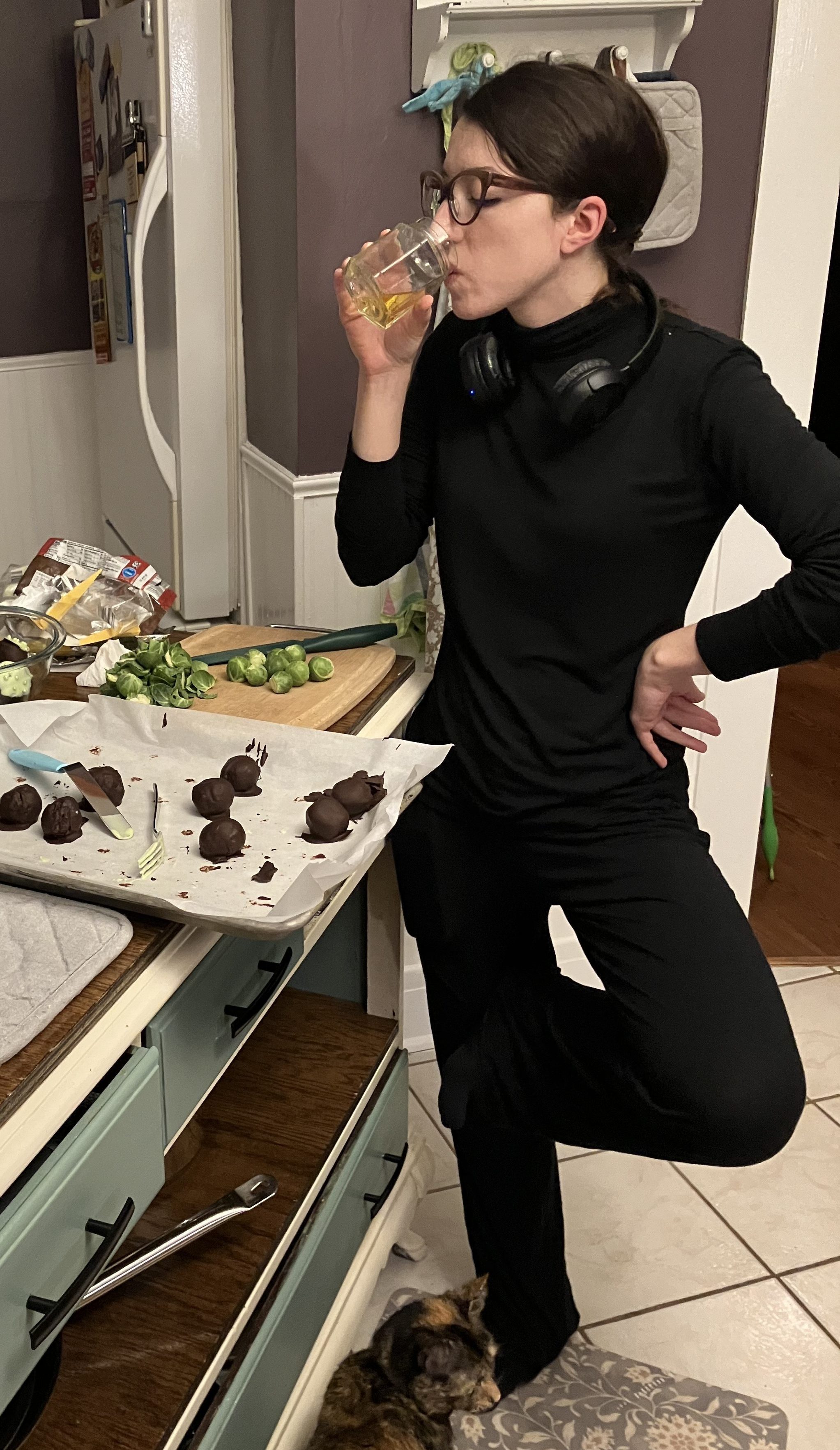
Justina is writer, editor, blogger, and higher ed professional. She is also a foodie, a cat mom, and a DIYer. She loves going for tandem rides through the countryside with her partner, hosting holiday dinners for friends and strays, and can’t get enough of live theatre. She’s also a messy disaster who kills every houseplant she touches, struggles to hold her temper, picks her cuticles until they bleed, gets jealous over the cats, and still doesn’t talk to certain family members. Because she’s human.
About the AI
Someone named it Claude, I guess. Probably because what we really want, even when we make machines, is the company of another human.
 (w)ri(gh)t(e) for humans